
In the early days of AI, “browser-based” was a synonym for “weak.” If you wanted high-quality results, you had to install massive software packages locally or pay for expensive cloud subscriptions. But as we moved into and through 2026, the browser has evolved into a powerhouse. It is now the primary battlefield for hentai AI, split between two radical technologies: the Cloud SaaS model and the revolutionary WebGPU local-browser model.
Understanding how these tools function is about more than just curiosity but about protecting your privacy and optimizing your creative workflow.
The Cloud Model: Remote Power on a Lease
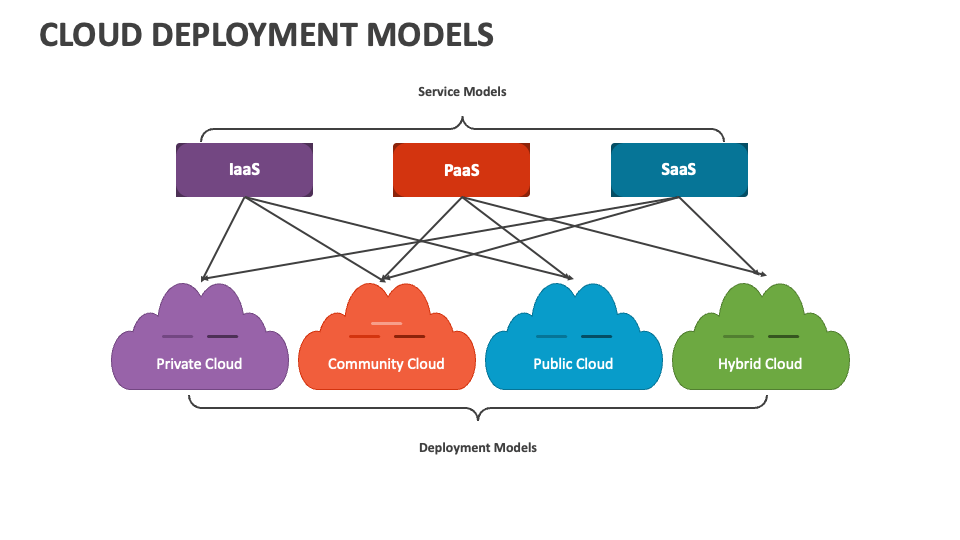
Most popular platforms like Candy.ai, OurDream, and Promptchan operate on the Cloud SaaS (Software as a Service) model. When you click “Generate,” your browser isn’t actually doing the work; it is acting as a remote control for a supercomputer thousands of miles away.
- The Backend Infrastructure: These sites lease massive clusters of NVIDIA H200 and B200 (Blackwell) GPUs. When your prompt is sent, it is processed in a data center that consumes enough electricity to power a small town. This allows you to generate 4K, hyper-detailed images on a $200 smartphone or a 10-year-old laptop.
- The Latency War: In 2026, these platforms have optimized their pipelines to render images in under two seconds. They use a technique called TensorRT acceleration to shave milliseconds off the generation time, making the experience feel instantaneous.
- The Trade-Off: Since the work happens on their servers, they have absolute control. This is where the “Digital Nanny” comes in; even on uncensored sites, there is often an invisible layer of filtering that prevents certain “blacklisted” concepts from being rendered. You are a guest in their digital house, and you have to follow their house rules.

The WebGPU Revolution: Local Power in a Tab
The biggest shift in 2026 is the rise of WebGPU. This is a new web standard that allows your browser (Chrome, Edge, or Safari) to talk directly to your computer’s graphics card without needing any installed software like Python or Docker.
- How it works: Sites like Scribbler or the Civitai Browser-Gen download the AI model directly into your browser’s cache. Once the model is loaded (usually a 2GB to 5GB file), your computer’s GPU does all the math.
- Absolute Privacy: This is the holy grail for the hentai community. Since the image is generated on your machine, the prompt and the resulting image never leave your computer. You can literally turn off your internet and the generator will keep working. No one, not the website owner, not your ISP, and not a corporate database, ever sees your niche creations.
- The Hardware Requirement: WebGPU is only as fast as your hardware. If you’re on a high-end gaming PC with an RTX 50-series card, it will be lightning-fast. If you’re on an integrated office laptop, it might take five minutes to render a single frame.
The Economics of the Free Generator
We have to address the “Free” elephant in the room. In 2026, running a high-end AI server costs roughly $0.02 to $0.05 per image in electricity and cooling. If a site is letting you generate 500 images for free, someone is paying that bill.
- Data as Currency: Many free browser generators are actually data-harvesting machines. They use your prompts and your liked images to train their next generation of models. You are essentially a free labeling service for their AI.
- The Subscription Trap: Most sites use a Token or Buzz system. You get a small amount for free, but the good models (like Pony V6 or Illustrious XL) cost more tokens per spin. This is designed to give you a taste of the quality before hitting you with a $20/month subscription wall.
- Ad-Injected Inference: Some 2026 platforms are experimenting with Ad-Supported generation. You watch a 15-second ad, and in return, the server grants you one high-res generation. For the user, it’s free; for the site, the advertiser covers the GPU lease cost.
Advanced Browser Features: Beyond the Search Bar
By 2026, a good browser generator isn’t just a text box; it’s a full creative suite. If you are shopping for a new platform, these are the professional features you should look for:
- In-Browser Inpainting: This allows you to mask a specific part of an image (like a hand with six fingers) and re-roll just that section. This used to be a local-only feature, but in 2026, it’s a standard for any top-tier web platform.
- LoRA Stacking: The ability to add multiple Style or Character files to a single prompt. If a site doesn’t let you use Civitai LoRAs, you are stuck with whatever generic faces the site was trained on.
- VAE (Variational Autoencoder) Selection: This is the Color Engine. Without a good VAE, anime art often looks washed out or gray. Top browser-based tools now let you toggle between different VAEs to get that vibrant, high-contrast manga look.
- Negative Prompting: This is the steering wheel of AI. A browser tool that doesn’t offer a negative prompt box is like a car without a brake; you’ll eventually end up in a ditch of blurry pixels and extra limbs.
Privacy and Security: The 2026 Risk Assessment
For the hentai community, the risks of browser-based AI are unique. Unlike generating a “cat in a hat,” adult content carries a social and professional risk if leaked.
- Prompt Logging: Every prompt you type into a Cloud-based generator is logged. In 2025, we saw several high-profile leaks where Anonymous prompt histories were tied back to user IP addresses.
- The Browser Cache: Even if you use a Local WebGPU generator, your browser often stores fragments of the images in its temporary files. If you are on a shared computer, you need to manually clear your WebGPU Cache and IndexedDB storage, or the next person to use the computer might find your history in the browser’s hidden files.
- Third-Party Scripts: Many free generators use third-party tracking scripts (like Google Analytics or Facebook Pixel) that can see the metadata of your activity. Using a browser with hardened privacy (like Brave or Mullvad Browser) is essential when using these tools.
The Verdict: Cloud vs. Local Browser
Which one should you use in 2026?
- Use Cloud Platforms (Candy.ai, OurDream) IF: You prioritize Convenience and Speed. If you want the AI Girlfriend experience with voice calls and persistent memory, or if you’re generating on a phone, the Cloud is the only way to get that much power.
- Use Local-Browser Platforms (WebGPU) IF: You prioritize Privacy and Customization. If you have a decent PC and you’re working on a project you want to keep 100% private (like a personal comic or a niche gallery), the WebGPU route is safer, cheaper, and more flexible in the long run.
Conclusion: The Browser as an Operating System
By the end of 2026, we will likely stop calling these “websites.” They are becoming Creative Operating Systems. The browser is no longer just for reading news; it is a gateway to a Studio-of-One where you can generate, edit, and animate high-fidelity hentai without ever downloading an .exe file.The key to navigating this new world is to be platform-agnostic. Use the Cloud for your quick roleplay fixes, but keep your high-stakes, professional, or ultra-niche work inside a WebGPU-hardened local tab. In 2026, the power is literally at your fingertips; you just have to decide who you’re going to share it with.