Over the last decade, the world of digital art has moved from zero to hero. The level of dedication and the level of energy needed to achieve certain results are now being replaced by an idea described in words. With the help of AI-powered image generation, anyone can easily explore artistic creation.
We are not talking about convenience alone, but also about control. That is, imagining an image and turning it into something visible, editable, and shareable.
Whether you are a beginner, an enthusiast, a professional exploring identity through art, or a creator who wants to fasten their workflow, knowing how the AI femboy generator works will give you the upper hand you need to deliver better results than ever and also make the process enjoyable.
What Is AI-Generated femboy Art?
AI-generated femboy art refers to characters generated using trained artificial intelligence models. These systems are trained on a wide variety of images and are able to analyze patterns, color harmony, stylistic elements, lighting, and even facial structures perfectly. These systems further use this knowledge to generate new visuals based on imputed texts. Simply, you describe a character, and the AI brings it to life.
From Digital Art to AI Creation
When it comes to digital art, manual input is required. These inputs usually require intense and heavy work that can range from minutes to hours. Right from sketching rough outlines, refining shapes, applying color, adding shading, and even adjusting lighting and composition are what are required with traditional digital art.
However, imagine a case where all this intense and heavy work is scraped, and you’re able to generate your preferred image in seconds. That’s what AI changes.
With AI, you act as a director who doesn’t need to draw every detail. You simply need to define the subject, mood, and style and wait for AI to give you the result in seconds.
Example:
A traditional workflow might involve sketching an androgynous character, adjusting proportions, refining hair strands, and layering textures over several hours.
With an AI femboy art generator, a prompt like
“Androgynous character with soft facial features, short pastel blue hair, oversized hoodie, anime style, and warm indoor lighting.“
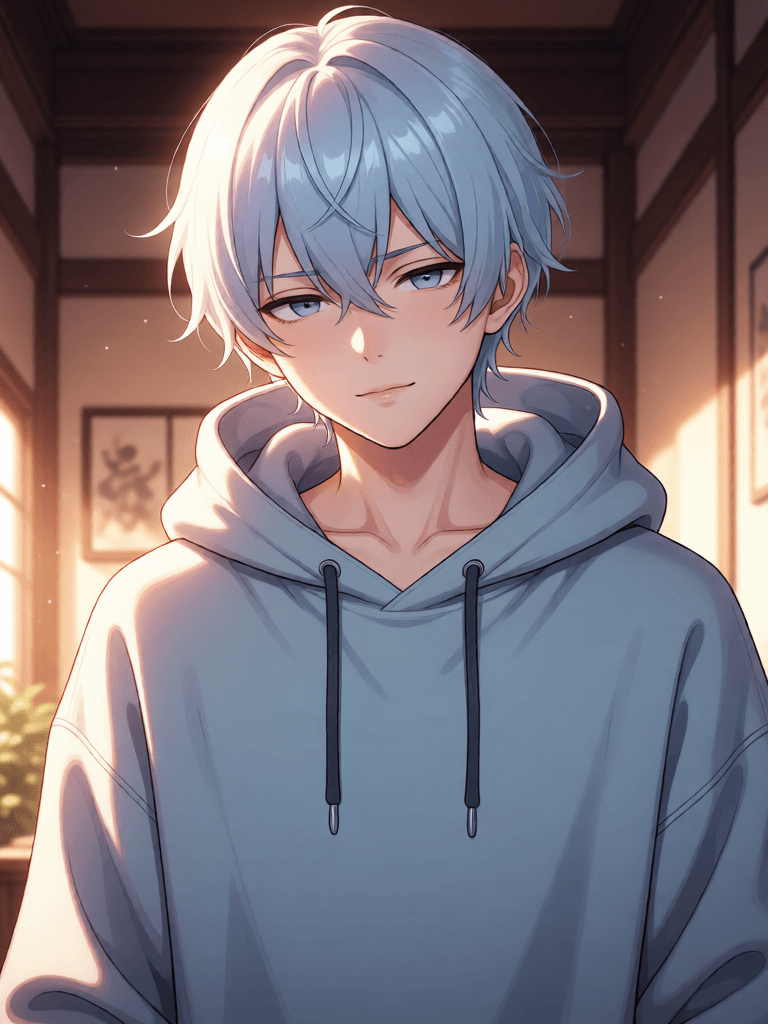
can produce a polished image in seconds.
Why It’s Gaining Popularity
There are several reasons why it is gaining popularity. Some of them are:
- Customization: The ability to customize your characters and give them subtle details like hair color, expression, and clothing style cannot be undermined.
- Speed: As referenced, instead of several hours of working, you only need seconds or minutes.
- Accessibility: No advanced skills are required before you can generate. Your description is all that’s needed. That is, once you can describe it, you can create it.
In practice, users often start with curiosity but stay for the creative flexibility. The ability to iterate rapidly, changing small details and seeing immediate results makes AI tools incredibly engaging.
How AI Generates femboy-Style Images
It is of utmost importance to understand how these systems work. Only then can you utilize it. Even a basic understanding can seriously improve your output quality.
Model Types
Most of the popular tools now use the diffusion model to create an image with random noise and turn that into a final product.
This comes in two general flavors:
Text-to-Image
This is the all-time most popular diffusion model. You type a prompt, and image AI draws it for you.
Example:
“Feminine boy character, soft expression, silver hair, anime style, soft lighting.“
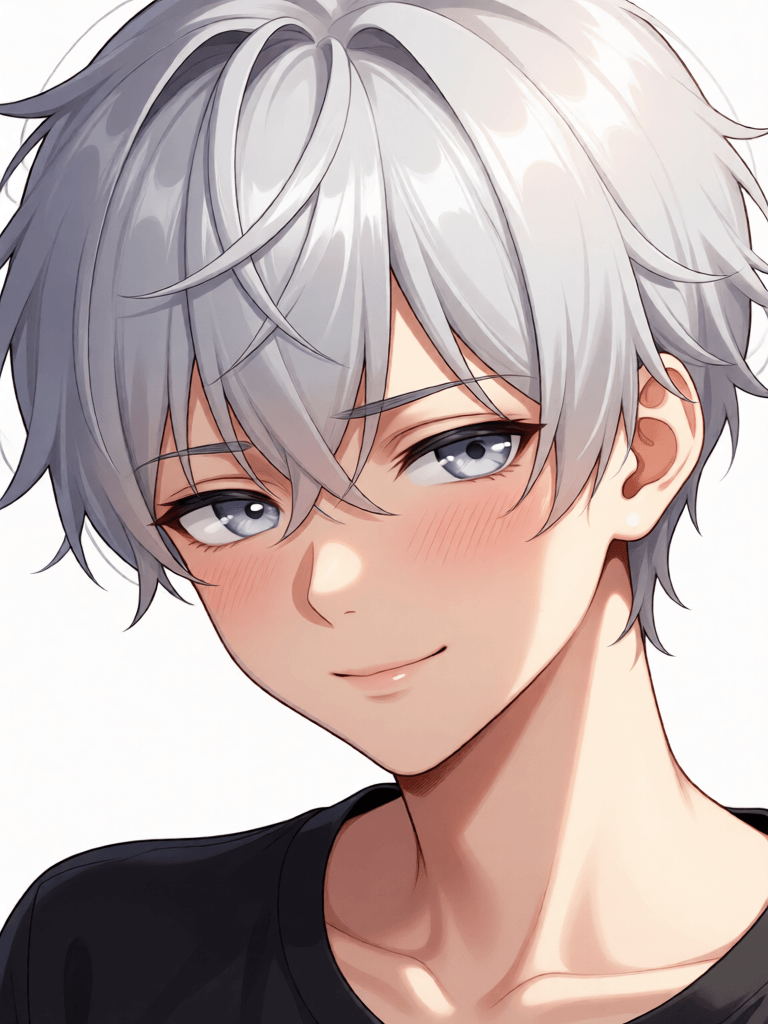
Image-to-Image
In this approach, you would upload an image of a sketch, and the AI would change and improve it.
Example Workflow:
- Upload an image of the sketch
- Prompt: “Adjust to anime and add lighting with a pastel color.”
- Output: The AI will interpret your prompt and create an artistic final product.
Typically, the users in this system are too lazy to draw, so they often use text-to-image, and the advanced users can do a little bit of both.
Prompt Interpretation
AI does not look at language in the same way humans would; instead, it looks for components of visual patterns.
The most effective prompts would contain:
- Keywords: Core elements (e.g., hairstyle, outfit, mood)
- Style tokens: Artistic influences (e.g., anime style, soft shading)
- Composition logic: Positioning, framing, perspective
Example:
“Androgynous character, short lavender hair, gentle smile, anime style, cozy indoor setting, warm lighting.“
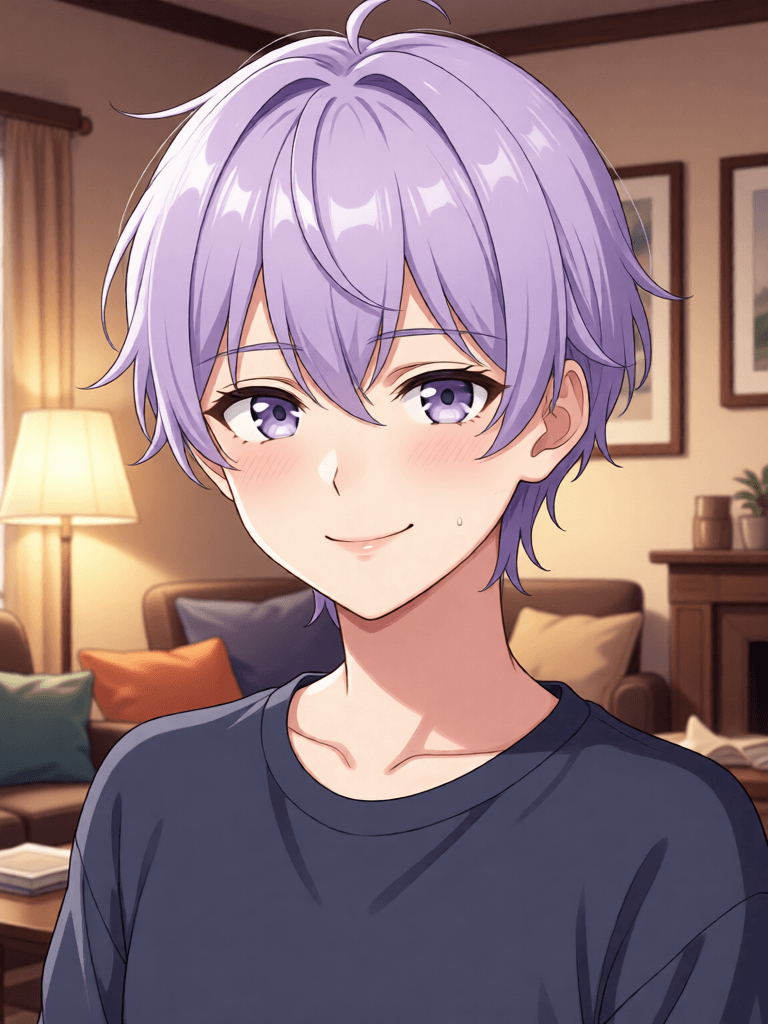
The first components would typically be the simplest components that the AI functions identify and typically lead to the calmest and most consistent results.
Output Process
The generation is formed in stages:
- Noise Initialization: This is the random pattern AI starting point.
- Sampling: AI uses your prompt to generate your image.
- Refinement: A more fine-tuned image takes place with each iteration.
- Variation: AI puts out sample options for selection.
Example:
Changing “warm lighting” to “cool neon lighting” can completely alter the atmosphere, even if the subject remains the same.
Think of it as sculpting from abstraction. Each iteration brings the image closer to your intent.
Key Features of a High-Quality AI Generator
As much as there are various tools available, not all give the same level of results. Some are better than others, and they become obvious once you begin experimenting. Here are features that distinguish a high-quality AI generator from others:
- Prompt Control: Ability to fine-tune inputs precisely
- Style Consistency: Reliable outputs across similar prompts
- Resolution Options: High-quality images for detailed use
- Speed: Quick generation without lag
- Customization: Control over pose, lighting, and composition
Example:
A basic generator may produce random outputs with limited control. A high-quality femboy AI image generator allows you to refine details like the following:
- Facial expression
- Clothing style
- Lighting intensity
- Background environment
In practice, the best tools feel responsive. Small prompt adjustments lead to meaningful visual changes.
How to Write Better Prompts
Writing better prompts can be the trick you need to generate an exceptional result. As a result, learning how to write these prompts is very important. Being where most beginners struggle, we will share tips for writing better prompts.
Basic Prompt Structure
- Subject: Who or what is being created
- Traits: Physical and stylistic attributes
- Style: Artistic direction (anime, semi-realistic, etc.)
- Scene: Environment or background
- Lighting: Mood and illumination
Example:
“Androgynous character, soft facial features, shoulder-length pink hair, wearing oversized hoodie, anime style, sitting by window, soft morning light”
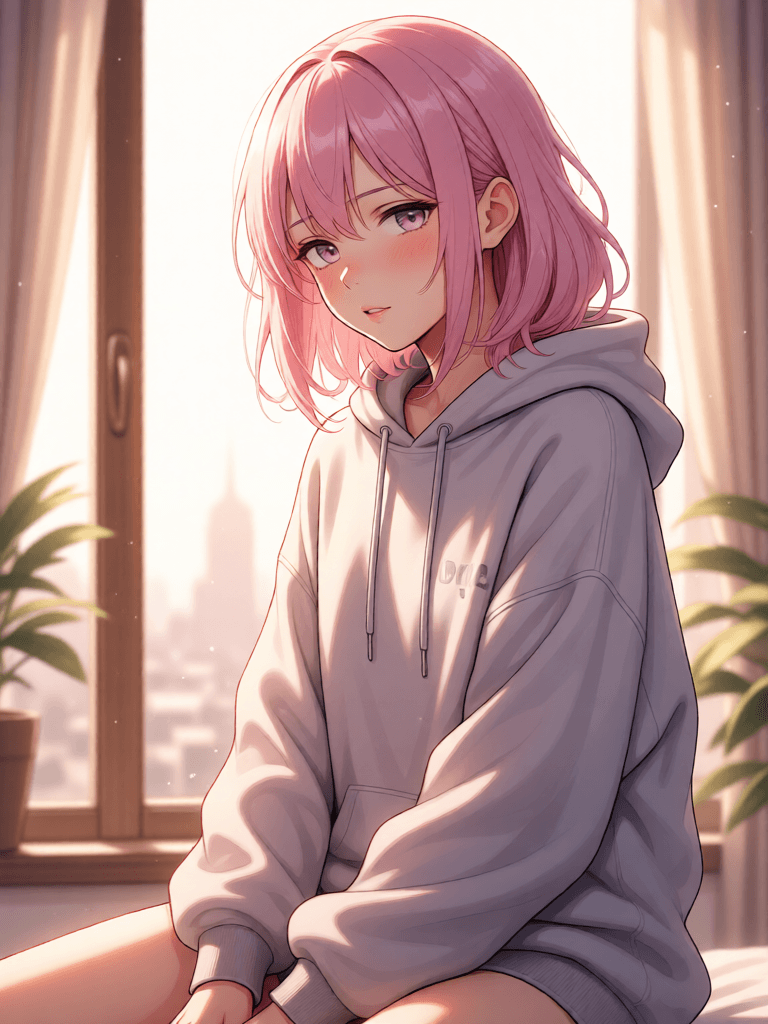
This structure provides clarity without overwhelming the AI.
Example Prompts (Clean & Effective)
Example 1:
“Feminine boy character, short pastel hair, gentle expression, anime style, cozy bedroom, warm lighting.“
Example 2:
“Androgynous character, silver hair, modern streetwear, semi-realistic style, urban background, neon lighting.“
Example 3:
“Soft-featured character, long lavender hair, relaxed pose, anime style, sunset background, golden light.“
Each prompt creates a distinct aesthetic.
Common Mistakes
- Keyword Overload: Too many descriptors reduce clarity
- Unstructured Prompts: Random phrases confuse the model
- Ignoring Style: Leads to generic outputs
Bad Example:
“best high-quality amazing perfect ultra-detailed anime character beautiful lighting masterpiece”
This lacks direction.
Better Example:
“Androgynous anime character, soft expression, pastel hair, indoor setting, warm lighting.“
In practice, precision outperforms exaggeration.
Creating Unique Styles with AI
One thing AI is not known to do is prevent creativity. Instead, it expands it widely. That is, the more you use AI, the more exceptional your outputs turn out.
Key Elements to Explore
- Character Traits: Hair, clothing, posture
- Color Palettes: Pastel vs high-contrast
- Expressions: Subtle emotional cues
- Art Styles: Anime, semi-realistic, cartoon
Example Comparison:
Prompt A:
“Soft pastel tones, gentle smile, warm lighting”
Result: Calm and inviting
Prompt B:
“Dark palette, sharp contrast, neon lighting.“
Result: Bold and dramatic
In practice, even a single word can reshape the entire image.
Limitations of AI-Generated Content
As it is said that “every rose has its thorn,” so also does AI. Despite its explicit strengths, it also comes with its limitations. They are:
- Inconsistency: Hands, proportions, or details may appear off
- Artifacts: Visual distortions in complex areas
- Repetition: Similar outputs across generations
- Lack of True Originality: Based on learned patterns
Example:
You might generate a character holding an object, but the object appears distorted or unclear.
Understanding these limitations helps you work around them. Often, generating multiple variations and selecting the best result is part of the workflow.
Responsible Use of AI Art Tools
Like a common saying, “Everything in moderation, nothing in excess,” is also applicable to these creative tools. Here are key guidelines to help keep everything in moderation:
- Fictional Boundaries: Keep content clearly within fictional and artistic contexts
- Consent & Respect: Avoid using real individuals without permission
- Legal Awareness: Different platforms have varying rules on AI-generated content
- Ethical Use: Be mindful of how your creations are shared and used
Example:
Creating original characters is encouraged.
Using someone’s likeness without permission can lead to ethical and legal issues.
Responsible use helps maintain trust and ensures continued access to these tools.
How Creators Use AI-Generated femboy Art
AI-generated femboy art is widely used by many creators. Here are the top use cases:
- Concept Art: Quickly visualize character ideas
- Character Design: Build consistent visual identities
- Storytelling: Illustrate scenes for narratives or comics
- Hobby Projects: Personal exploration and experimentation
Example Workflow:
A writer developing a story might:
- Generate character concepts
- Refine visual traits
- Use images for reference while writing
In practice, many creators use AI as a starting point—not a replacement. It accelerates ideation while leaving room for refinement.
AI Generators vs Traditional Art
| Feature | AI Generators | Traditional Art |
| Speed | Instant generation | Time-intensive |
| Cost | Low or subscription-based | Tools and training required |
| Control | Prompt-driven | Fully manual |
| Originality | Pattern-based | Fully human-driven |
Example:
An artist may spend hours refining a single pose.
An AI user can generate multiple poses in minutes and refine the best one.
Both methods have value depending on the goal.
Frequently Asked Questions
How accurate are AI-generated images?
AI-generated images are highly accurate, but minor inconsistencies, especially in complex areas, are still experienced.
Can I customize outputs?
Yes, you can customize outputs. Deep customization is allowed for prompt structure, style tokens, and settings.
Is AI art unique?
Definitely. Every art AI generates is unique, although it depends on learned patterns to generate one.
What are the main limitations?
The main limitations include artifacts, repetition, and occasional lack of coherence in complex scenes.
Start Creating with AI Today
The AI femboy generator opens a new pathway to the world of creativity. Starting from speed and flexibility, you also get an exceptional level of artistic control without skilling up.
The real magic of this tool happens when you experiment with it from time to time. This way, your prompts get better and sharper, which is then equivalent to an improved result.
What are you waiting for? Try the AI generator now and start building your own visual concepts.